
Why Tool Wear Should Be Managed Proactively
Tool wear is one of the most important factors affecting machining cost, dimensional consistency, surface finish, and unplanned downtime. In many factories, cutting tools fail not because the tool itself is poor, but because the application conditions are not controlled correctly. When wear is not monitored properly, it can lead to unstable quality, tool breakage, scrap, and interrupted production.
Managing tool wear effectively requires a structured approach. Cutting data, tool geometry, holder quality, coolant condition, machine rigidity, and workpiece material all influence how quickly a tool degrades in production.
Common Types of Tool Wear
- Flank wear: Gradual wear on the relief face caused by friction against the workpiece
- Crater wear: Wear on the rake face caused by heat and chip flow interaction
- Built-up edge: Material adhesion on the cutting edge, common in sticky materials such as aluminum
- Chipping: Small edge breakage caused by impact, vibration, or unstable cutting
- Thermal cracking: Crack formation due to repeated heating and cooling cycles
Each wear pattern points to a different underlying issue. Identifying the wear type correctly helps determine whether the problem comes from speed, feed, coolant, rigidity, or tool selection.
Main Causes of Premature Tool Wear
Incorrect Cutting Parameters
Using cutting speed or feed rate outside the suitable range can quickly accelerate wear. Excessive speed often increases heat, while feed that is too low may cause rubbing instead of proper cutting.
Poor Tool Selection
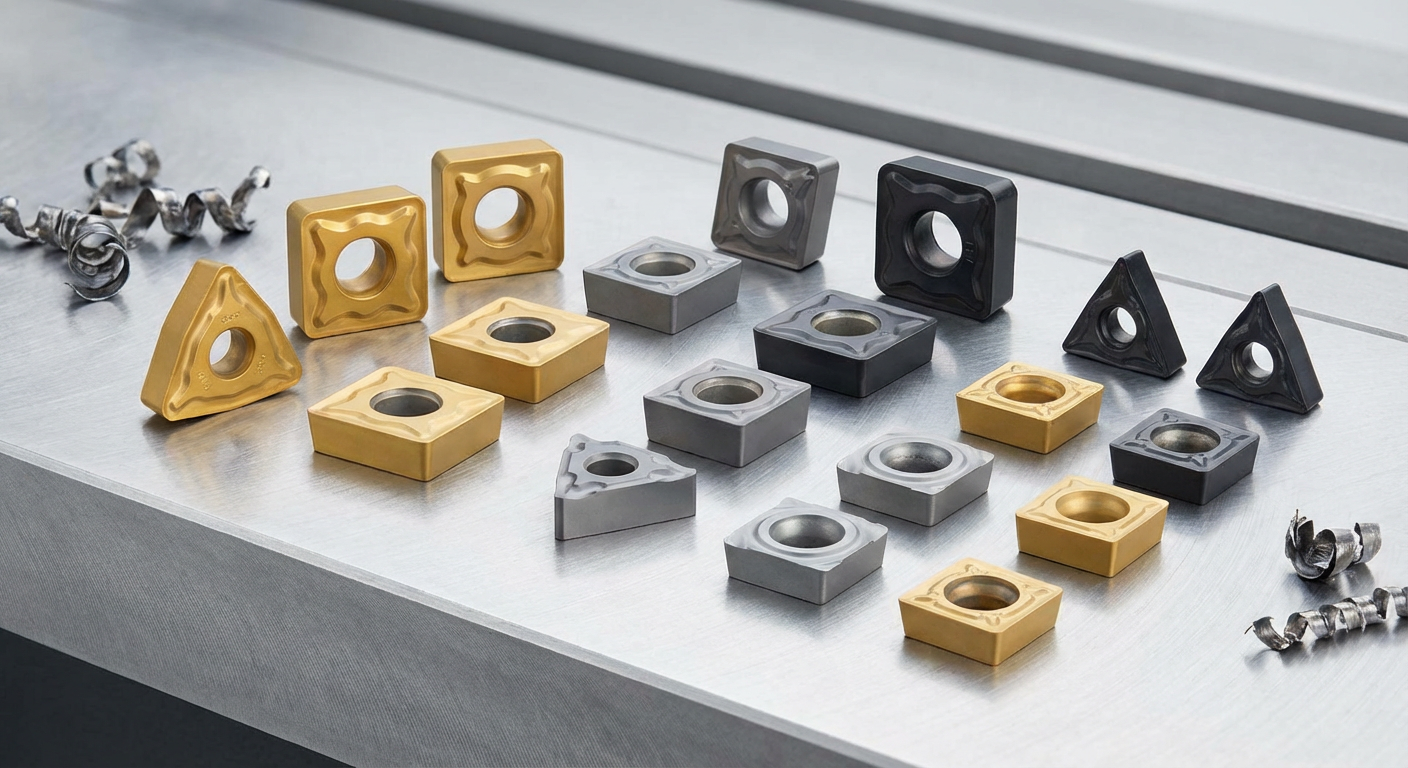
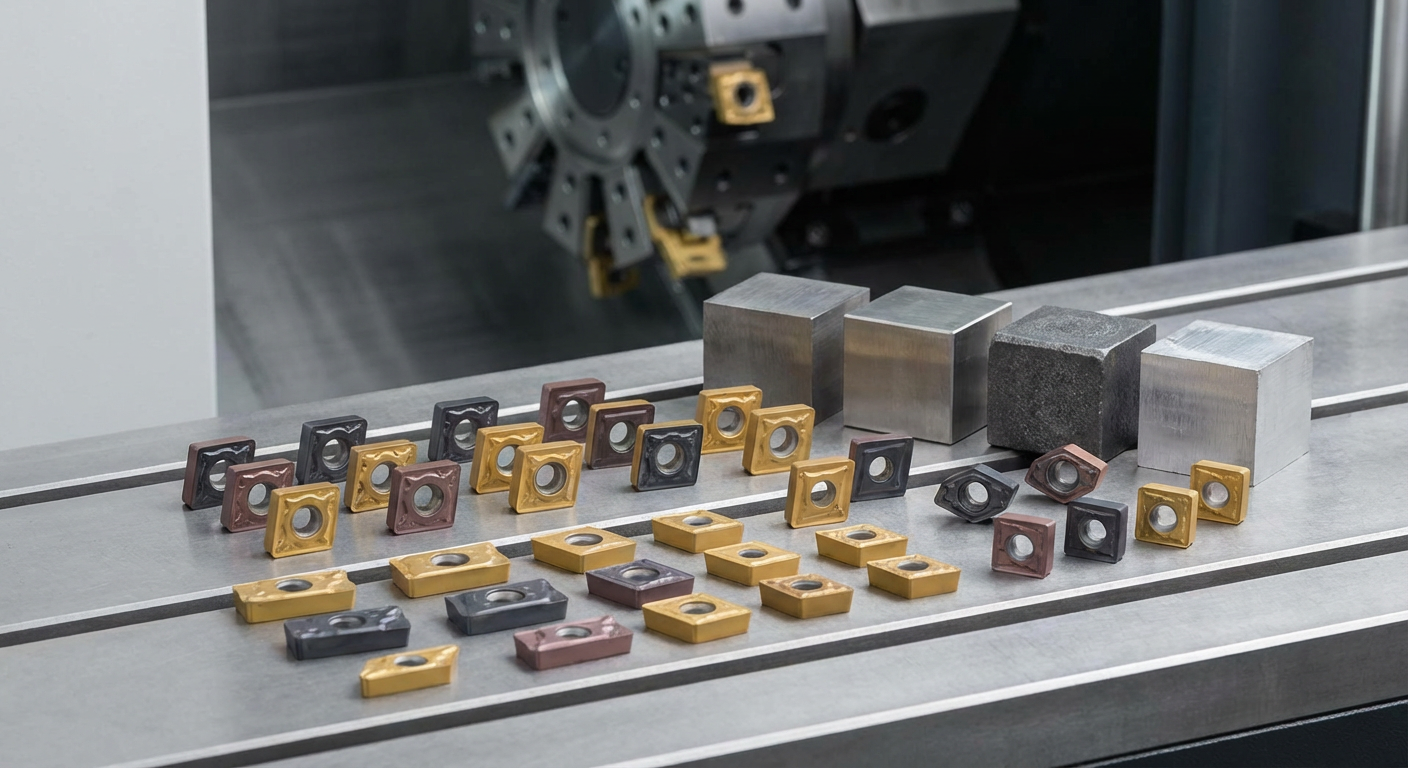
A tool that is not matched to the material or operation may wear rapidly even if the machine is stable. Flute count, coating, substrate, edge preparation, and geometry must align with the actual application.
Insufficient Rigidity
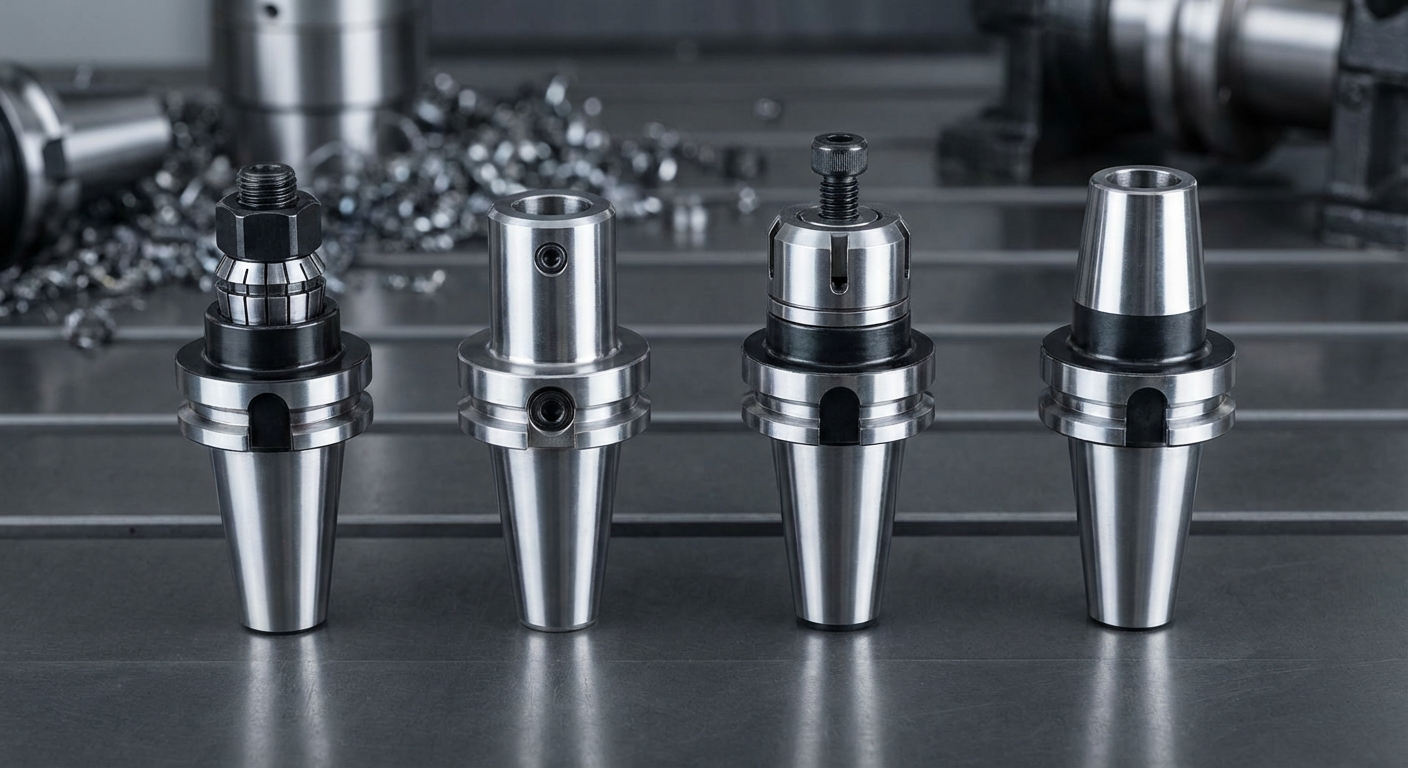
Tool overhang, spindle condition, holder quality, and workholding stability all affect rigidity. Vibration and deflection often damage the cutting edge before normal wear life is reached.
Coolant and Chip Control Problems
Poor coolant delivery or inadequate chip evacuation increases heat and can cause chips to be recut. This leads to rapid edge wear, poor finish, and sometimes sudden tool failure.
Practical Ways to Extend Tool Life
- Match the tool to the material: Use appropriate geometry and coating for steel, stainless steel, cast iron, or aluminum
- Optimize cutting data: Review speed, feed, radial engagement, and axial depth based on actual cutting behavior
- Reduce unnecessary overhang: Shorter setup usually improves rigidity and reduces vibration
- Improve holder and spindle condition: Better runout control often improves both tool life and finish
- Maintain coolant quality: Ensure correct concentration, flow direction, and filtration condition
- Monitor wear before failure: Replace tools at a controlled wear limit instead of waiting for breakage
Why Consistent Monitoring Matters
Many shops focus only on replacing broken tools, but a more effective system is to monitor wear trends before failure occurs. This approach helps protect workpieces, reduce scrap, and maintain dimensional stability. It also improves planning for procurement and stock control because tool consumption becomes more predictable.
Wear monitoring can be done through scheduled checks, part count tracking, spindle load analysis, operator inspection, or standardized trial records. Even a simple process can reduce unexpected downtime significantly.
Procurement and Inventory Implications
Tool wear is not only a machining issue. It also affects purchasing strategy. If the same tools fail unpredictably, procurement becomes reactive and urgent orders increase. By improving application stability and standardizing replacement intervals, factories can manage tooling stock more efficiently and reduce supply risk.
Maintaining ready stock of critical tools is especially important in operations where downtime directly affects shipment commitments or continuous production lines.
Conclusion
Reducing tool wear starts with understanding why the tool is wearing in the first place. Correct parameter selection, proper tool geometry, stable clamping, controlled coolant, and regular wear monitoring all contribute to longer tool life. A disciplined tooling strategy improves quality, reduces downtime, and supports more reliable production planning.