Why Stock Availability Is a Production Issue
In manufacturing, stock availability is not only a purchasing concern. It is directly connected to production continuity. When critical cutting tools, holders, measuring tools, or machine accessories are unavailable at the required time, the result can be machine downtime, delayed shipments, rushed substitutions, or unstable machining quality.
For many factories, the true cost of missing stock is much higher than the purchase price of the item itself. Lost machine time, disrupted planning, operator idle time, and urgent sourcing pressure can create far greater operational cost than expected.
Why Ready Stock Matters in Daily Operations
- Reduces downtime risk: Critical tools can be replaced quickly when wear or breakage occurs
- Supports stable planning: Procurement and production teams can schedule work with more confidence
- Prevents forced substitutions: Using alternative tools under pressure may reduce machining stability or quality
- Improves response speed: Urgent requirements can be handled more efficiently when stock is already available
Ready stock is especially important in operations with recurring demand, multi-shift production, or tight delivery commitments. In these environments, waiting for replenishment can create avoidable bottlenecks.
Critical Items That Should Not Be Left to Last-Minute Ordering
Not every item requires the same stock strategy, but certain categories often deserve closer attention.
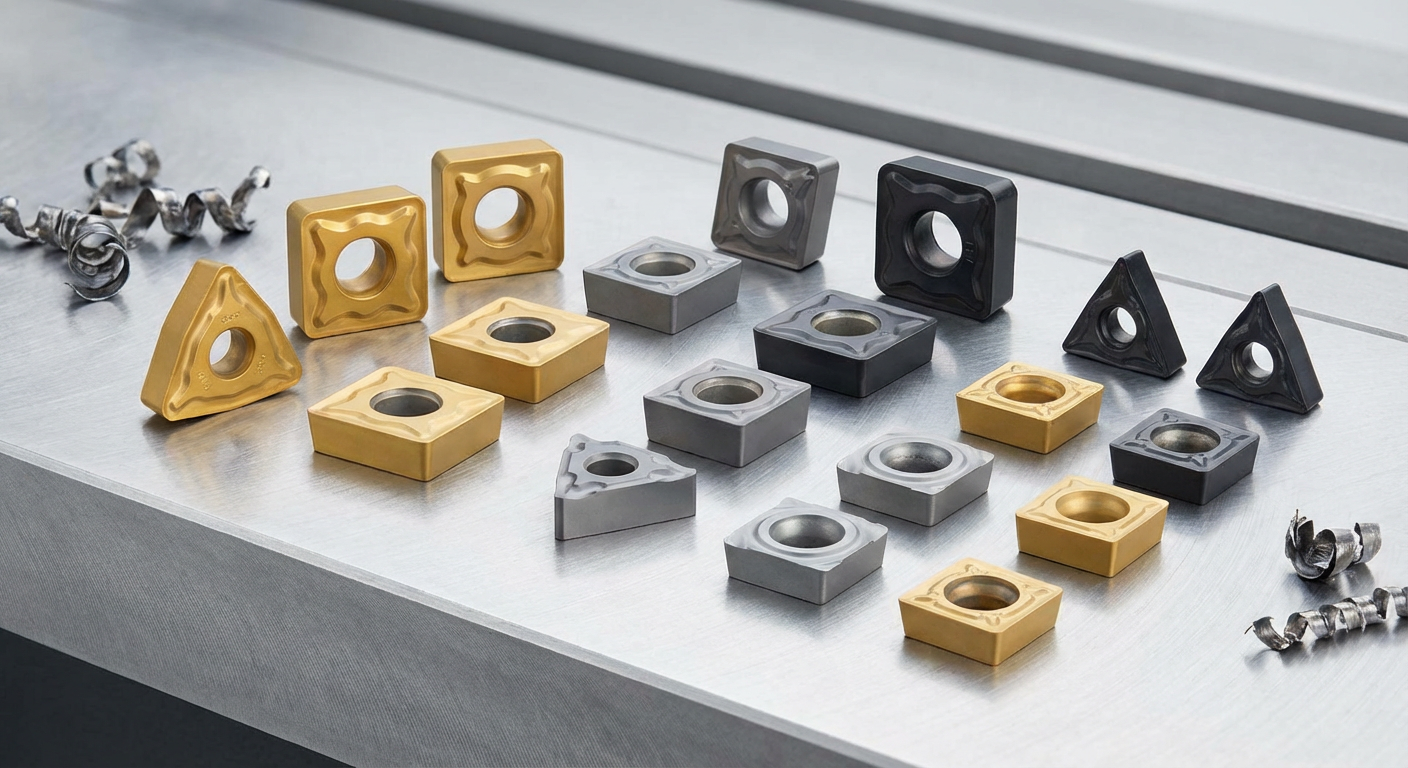
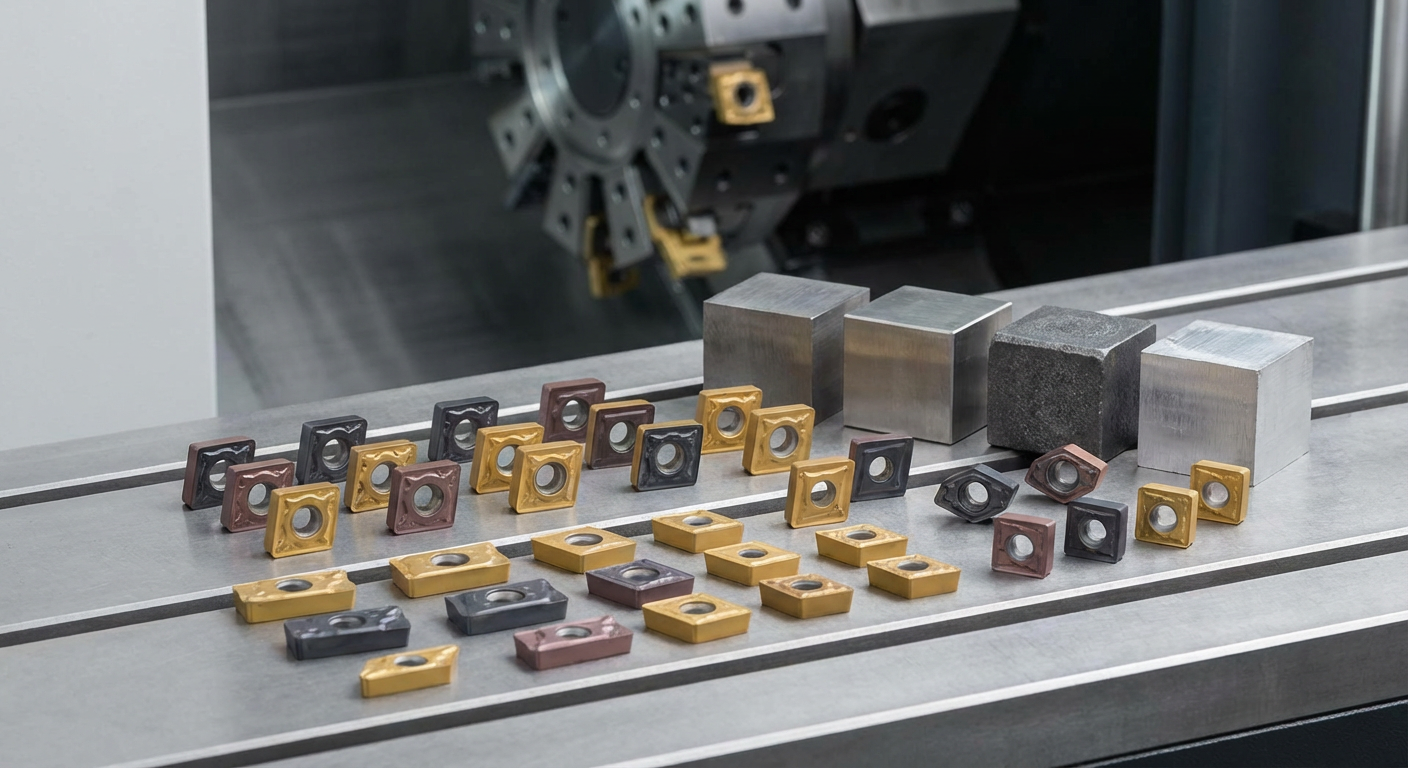
- High-consumption cutting tools: Drills, end mills, inserts, taps, and reamers used in daily production
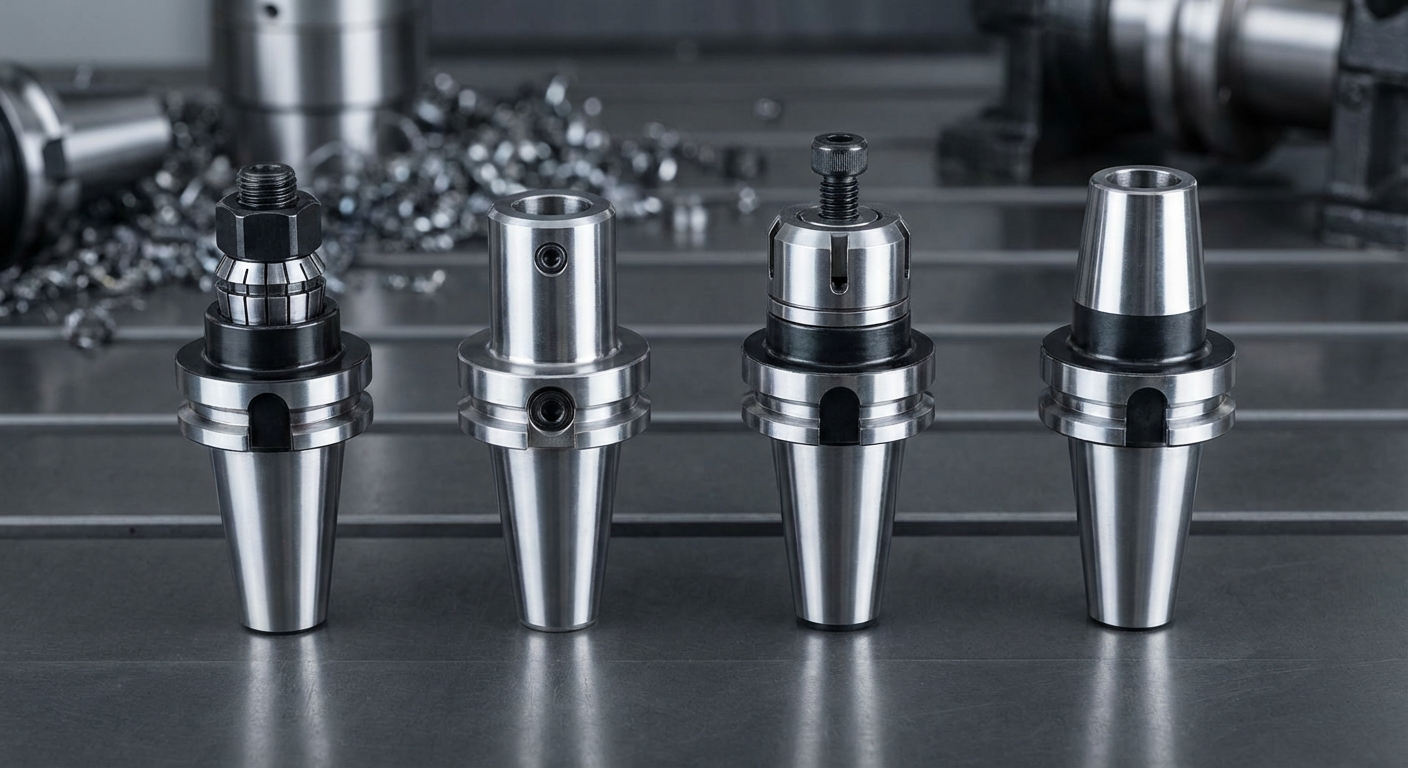
- Process-critical holders: Tool holders and clamping systems essential to stable machining
- Measuring instruments: Inspection tools needed to verify quality during and after machining
- Special accessories: Components that may stop production if unavailable even though usage is not constant
These items often have a much higher operational importance than their unit value might suggest.
How Ready Stock Supports Procurement Efficiency
When suppliers maintain reliable stock, procurement teams gain more control over purchasing decisions. They can reduce emergency buying, simplify planning cycles, and manage internal commitments more effectively. This is especially valuable when the factory needs both continuity and flexibility in daily operations.
Stock availability also improves communication between purchasing, production, maintenance, and quality teams. When supply is predictable, decision-making becomes more structured and less reactive.
Balancing Stock Availability and Cost Control
Holding stock does not mean keeping everything in large quantities. A better approach is to identify which items are critical, which are fast-moving, and which are project-based or occasional. This allows factories to prioritize stocking strategy by operational risk rather than buying behavior alone.
For suppliers and distributors, structured inventory control is important because customers depend on continuity. For buyers, working with suppliers that understand stock discipline can help reduce hidden risk in the supply chain.
Questions Procurement Teams Should Ask
- Which tools are consumed most frequently?
- Which items can stop production if not available?
- Which products need same-day or next-day response?
- Which items should be standardized to reduce supply uncertainty?
These questions help move procurement from reactive purchasing to structured supply planning.
Conclusion
Ready stock matters because manufacturing depends on timing, continuity, and dependable response. When critical industrial supplies are available at the right time, factories can reduce downtime risk, improve purchasing efficiency, and maintain more stable production. In practical terms, stock reliability is part of operational reliability.