
Why Drilling Problems Affect More Than Just the Hole
Drilling is one of the most common machining operations, but it is also one of the easiest to underestimate. When drilling performance is unstable, the impact goes beyond hole quality. It can affect downstream assembly, tapping, reaming, inspection results, tool consumption, and overall cycle time. Repeated drilling issues can also increase scrap and create unnecessary downtime in production.
Many drilling problems are caused by a combination of tool selection, machine condition, chip evacuation, cutting data, and setup rigidity. Solving them usually requires reviewing the full process rather than changing only one variable.
Poor Hole Accuracy
Hole diameter, position, or straightness may fall outside the required tolerance if the drill is not stable during cutting.
- Possible causes: Tool runout, worn spindle, insufficient rigidity, incorrect drill geometry, or unstable workholding
- How to reduce it: Improve holder accuracy, confirm machine condition, reduce overhang, and use the correct drill type for the material and depth
Even a small amount of runout can significantly affect hole quality, especially in tighter-tolerance applications.
Burr Formation
Burrs at the hole entrance or exit are common when cutting conditions are not balanced properly. Burr formation may also create extra deburring work and slow down production.
- Possible causes: Incorrect feed, worn cutting edge, unsuitable point geometry, poor support at breakthrough, or inconsistent material condition
- How to reduce it: Maintain sharp tools, optimize feed at entry and exit, and review backing support where possible
Burr control is especially important in parts that move directly into assembly or secondary machining processes.
Chip Packing and Chip Evacuation Failure
Chip packing occurs when chips do not evacuate effectively from the hole. This increases heat, damages the drill edge, and can cause sudden breakage.
- Possible causes: Inadequate coolant flow, drill geometry not suited to the material, excessive depth without chip control strategy, or incorrect peck cycle
- How to reduce it: Improve coolant delivery, review peck drilling logic, use drills designed for the material, and monitor chip shape during production
In deep-hole or high-volume drilling, chip control is often one of the most important success factors.
Short Tool Life
Drills that wear too quickly increase tooling cost and reduce process stability. Short life is often a symptom of excessive heat, poor chip evacuation, or improper application data.
- Possible causes: Cutting speed too high, feed too low, unsuitable coating, poor coolant condition, or repeated vibration during entry
- How to reduce it: Match the drill to the material, adjust cutting data, verify coolant concentration and flow, and monitor wear before failure
Controlling tool life is important not only for cost but also for consistent hole quality over long production runs.
Drill Breakage
Drill breakage usually occurs when one or more process conditions become unstable at the same time. This can interrupt production immediately and may damage the workpiece as well.
- Possible causes: Chip jam, runout, sudden material hardness variation, incorrect peck cycle, or aggressive feed in unstable conditions
- How to reduce it: Improve process stability, check machine alignment, review chip evacuation, and replace drills at a controlled wear stage
Breakage should be treated as a process issue to investigate, not just an isolated tool incident.
Best Practices for More Stable Drilling
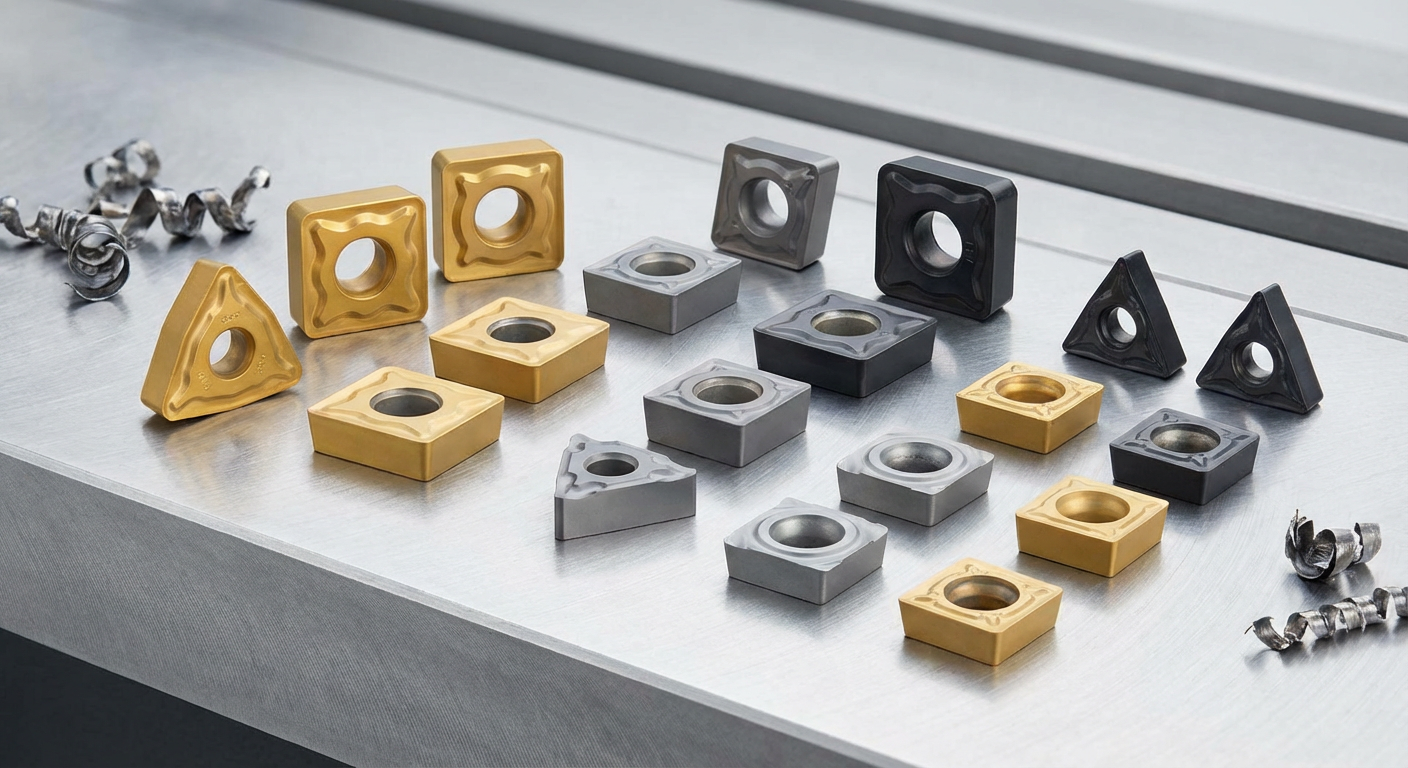
- Select the correct drill type: Solid carbide, indexable, or HSS should match the application and production objective
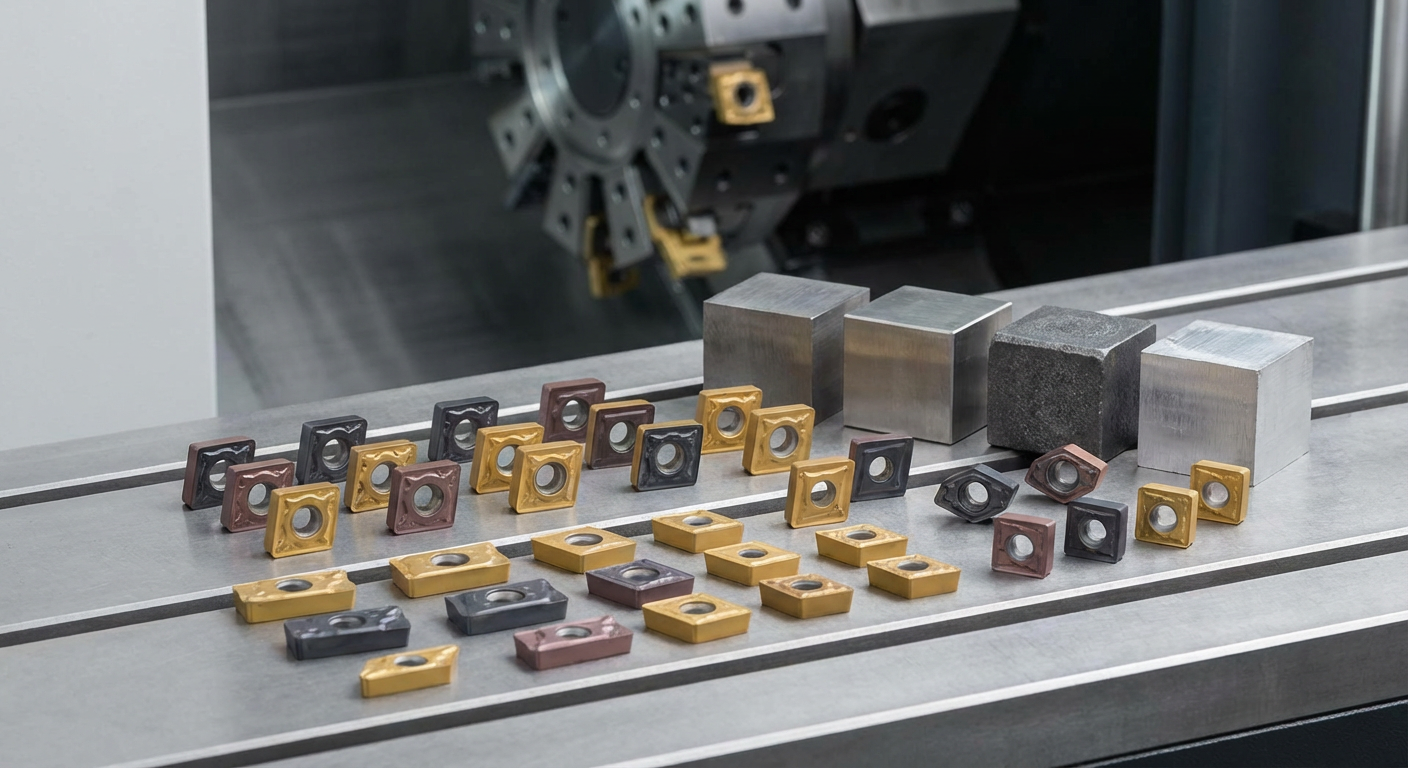
- Review material behavior: Steel, stainless steel, cast iron, and aluminum require different drilling strategies
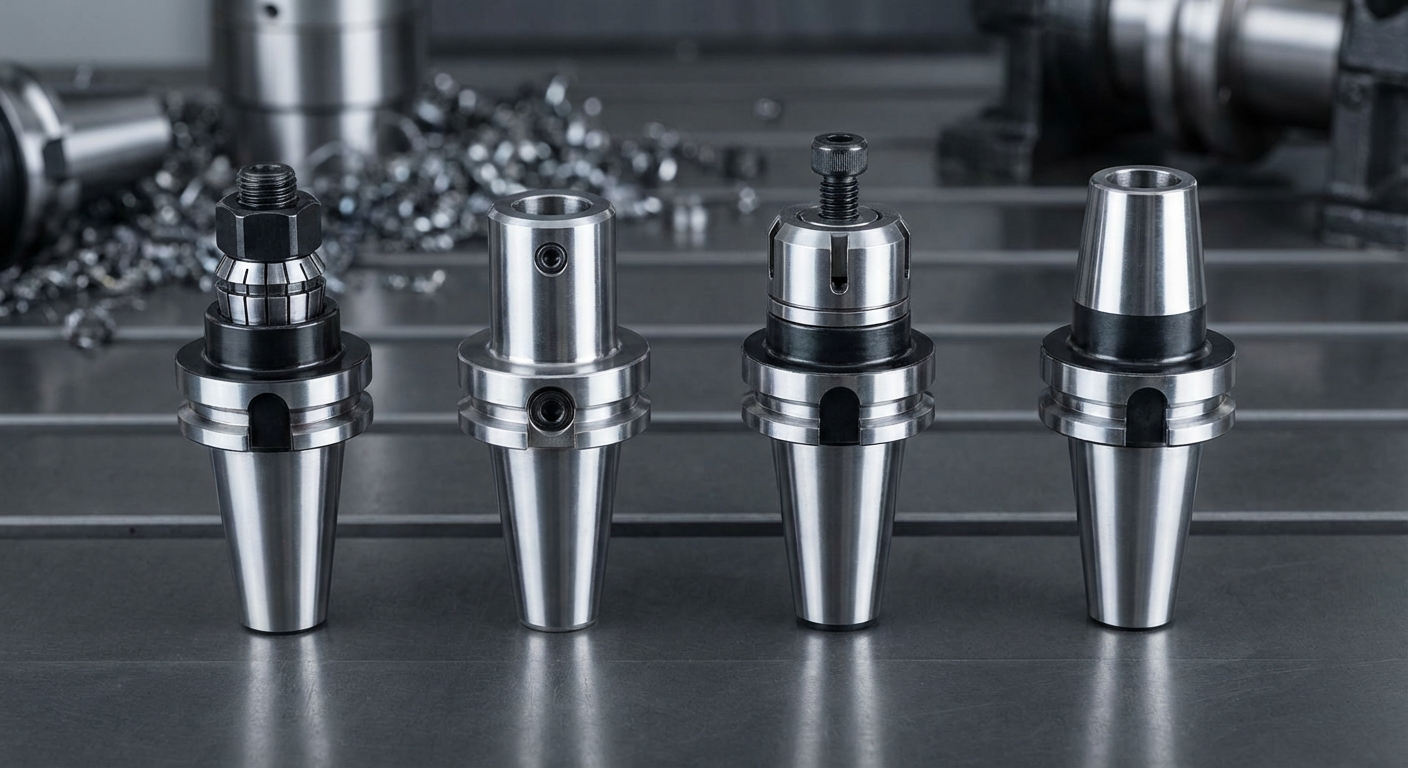
- Control runout: Good holder condition and proper clamping improve hole quality and tool life
- Maintain coolant quality: Clean and correctly delivered coolant improves chip evacuation and heat control
- Track tool performance: Use actual production results to define replacement intervals
Conclusion
Drilling problems often appear simple at first, but they usually result from multiple process factors working together. Poor hole accuracy, burrs, chip packing, short tool life, and breakage can all be reduced through better drill selection, more stable setup, effective coolant delivery, and structured process control. A reliable drilling process improves both quality and production continuity.