Procurement Planning for Critical Cutting Tools
In high-precision manufacturing environments, cutting tools are not just routine consumables. They are production-critical assets that directly affect machining continuity, output quality, and operational efficiency. A single shortage of a critical tool such as an end mill, insert, or drill can stop production, delay delivery schedules, and create cascading costs across the entire operation.
Because of this, procurement planning for cutting tools must be treated as a structured operational function rather than a basic purchasing activity. The objective is to ensure uninterrupted supply while maintaining cost control and minimizing inventory risk.
Defining Critical Cutting Tools
Not all cutting tools require the same level of control. The first step in procurement planning is to clearly define which tools are considered critical.
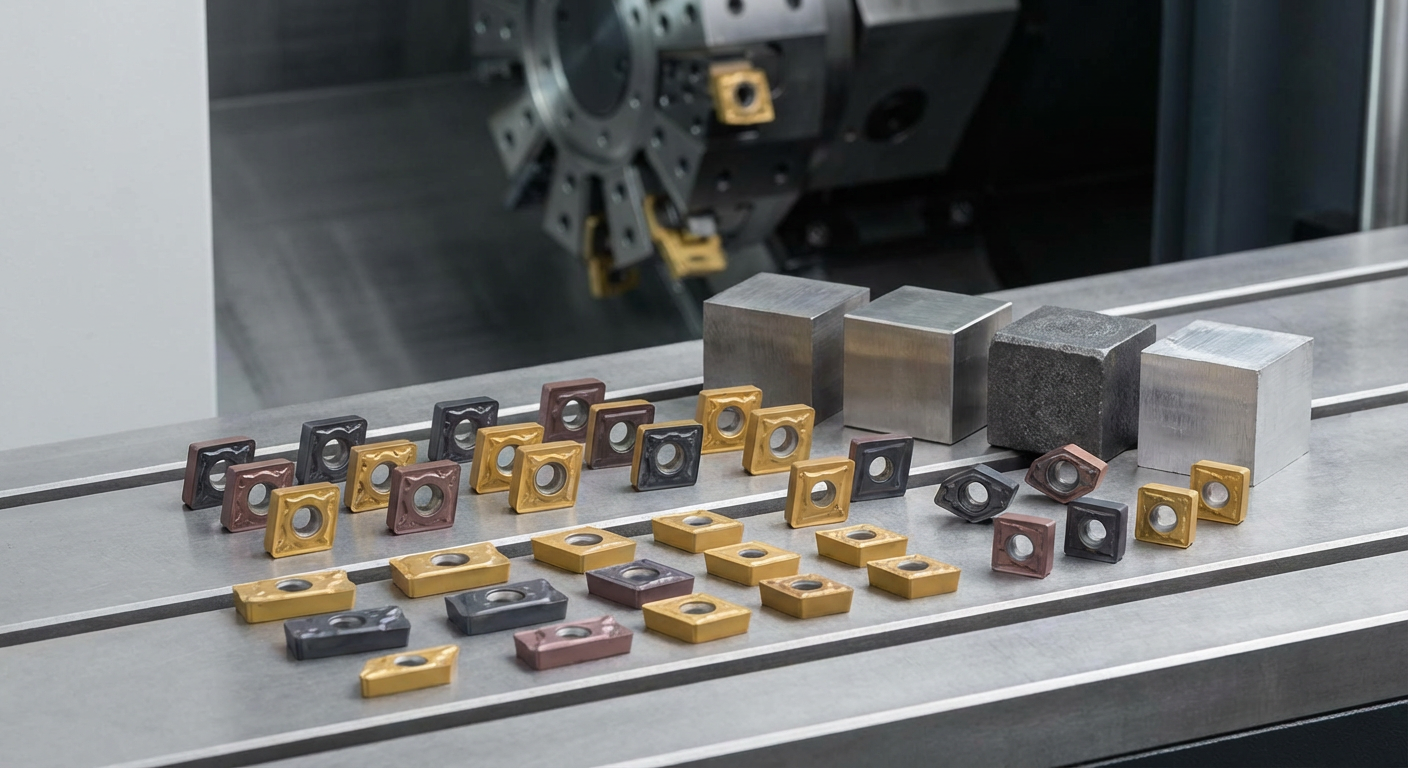
Critical cutting tools typically include items that are directly tied to key machining operations, used in high-volume production, require long lead times, are imported, or are custom-made with no immediate substitute. These tools must be managed with stricter inventory control and procurement discipline compared to general consumables.
Demand Forecasting Based on Real Usage
Effective demand forecasting should be based on actual usage rather than historical purchasing patterns alone. Procurement decisions must reflect real machining conditions and production requirements.
Key factors to consider include tool life, material being machined, cutting parameters, production schedules, and expected breakage or replacement rates. Without integrating these variables, procurement planning often results in either stock shortages or excessive inventory.
Inventory Control and Reorder Strategy
Critical tools should always be supported by structured inventory control. This includes defining minimum stock levels, reorder points, and safety stock buffers.
Minimum stock represents the lowest safe inventory level, while the reorder point determines when purchasing must be initiated. Safety stock acts as a buffer against uncertainties such as supplier delays, sudden demand increases, or unexpected tool failures.
For tools with long or uncertain lead times, maintaining adequate safety stock is essential to prevent production interruptions.
Reducing Specification Errors
Specification errors are one of the most common causes of procurement failure in cutting tools. Ordering incorrect dimensions, coatings, geometries, or tolerance classes can result in unusable inventory and production delays.
To reduce this risk, procurement records must include precise part numbers, tool descriptions, and technical specifications. Standardized catalog systems help ensure accuracy by providing consistent product data and clear references for verification.
Managing Lead Time Risk
Lead time is a critical factor in procurement planning. Even standard tools may have extended replenishment times depending on supplier availability, import requirements, or production constraints.
Tools should be categorized based on lead time risk, such as ready stock, short lead time, imported standard items, or custom-made tools. This classification allows procurement teams to prioritize purchasing decisions and avoid emergency sourcing situations.
Cross-Functional Coordination
Effective procurement planning requires coordination between procurement, production, and engineering teams. Changes in production schedules, materials, or machining processes must be communicated clearly to ensure that tooling requirements remain aligned.
Without this coordination, procurement may continue ordering outdated or unsuitable tools, leading to inefficiencies and increased operational risk.
Standardization for Efficiency
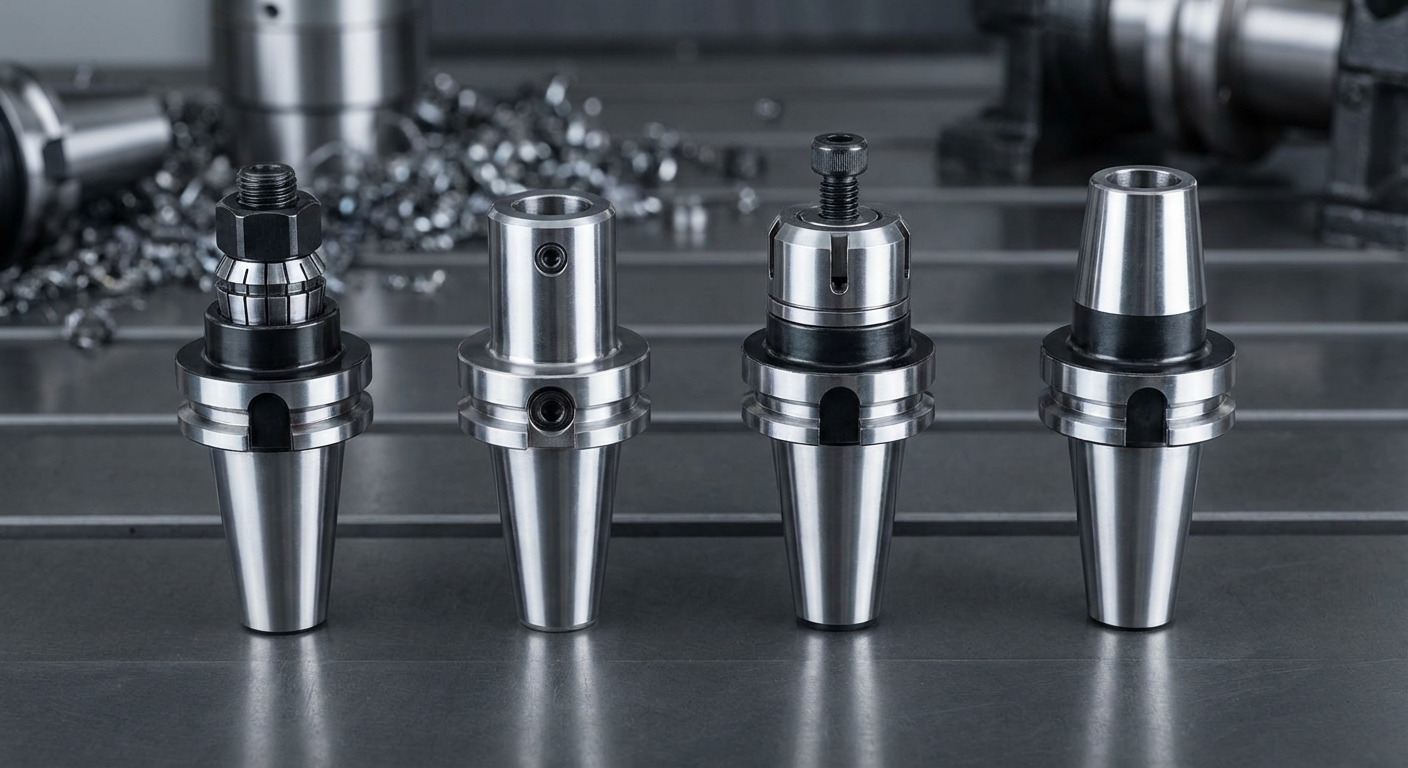
Reducing unnecessary variation in cutting tools improves procurement efficiency and inventory control. Standardizing tool types, holders, and preferred specifications across similar applications helps reduce SKU complexity and simplifies purchasing decisions.
This approach also improves consistency in machining performance and reduces the likelihood of stocking redundant or incompatible tools.
Conclusion
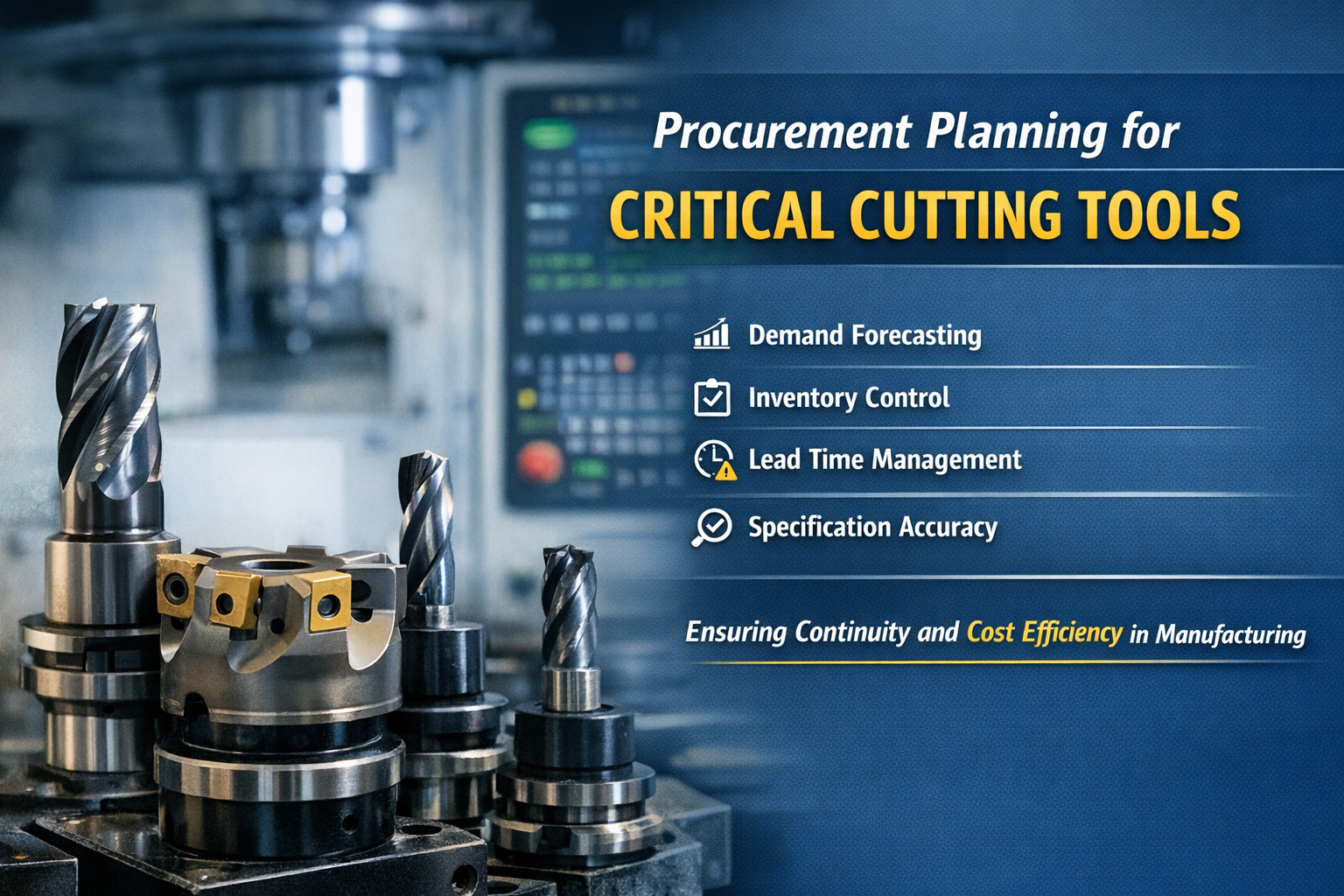
Procurement planning for critical cutting tools is a fundamental component of manufacturing stability. By focusing on accurate demand forecasting, structured inventory control, precise specifications, and strong coordination across departments, manufacturers can reduce downtime, control costs, and maintain consistent production performance.
In practice, well-managed tooling procurement is not just about availability. It is about ensuring that the right tool is available at the right time, with minimal operational risk.