What Are Cutting Tools?
Cutting tools are industrial tools used to remove material from a workpiece through machining processes. They shape raw materials such as steel, aluminum, or titanium into precise components by removing excess material in the form of chips.
Cutting tools are widely used in manufacturing environments such as CNC machining centers, lathes, milling machines, and drilling machines. These tools play a critical role in producing high-precision parts used in industries including automotive, aerospace, electronics, mold making, and industrial machinery.
How Cutting Tools Work
Machining occurs when a cutting edge applies force to a rotating or moving workpiece. The interaction between the tool and material produces shear stress, which removes material in small fragments called chips.
Three key parameters influence machining performance:
- Cutting Speed - The surface speed at which the tool contacts the workpiece.
- Feed Rate - The distance the tool advances per revolution or per minute.
- Depth of Cut - The thickness of the material removed in one pass.
Optimizing these parameters is essential to maintain tool life, machining accuracy, and surface finish quality.
Common Types of Cutting Tools
End Mills
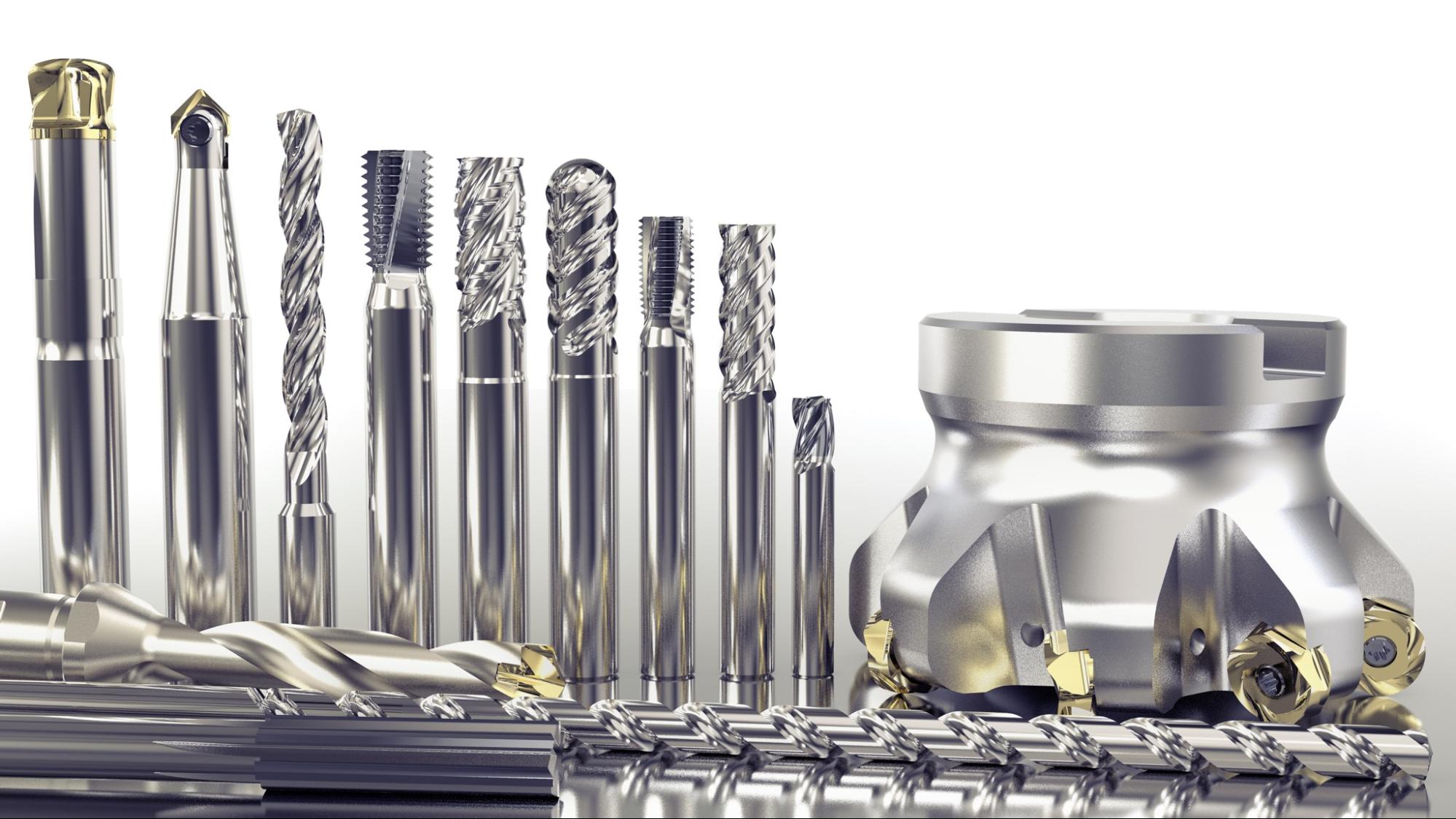
End mills are used in milling machines and CNC machining centers. They can cut in multiple directions and are commonly used for slotting, profiling, contouring, and surface machining.
Drill Bits
Drills are used to create cylindrical holes in materials. Industrial drill bits are available in many designs depending on the material being machined.
Indexable Inserts
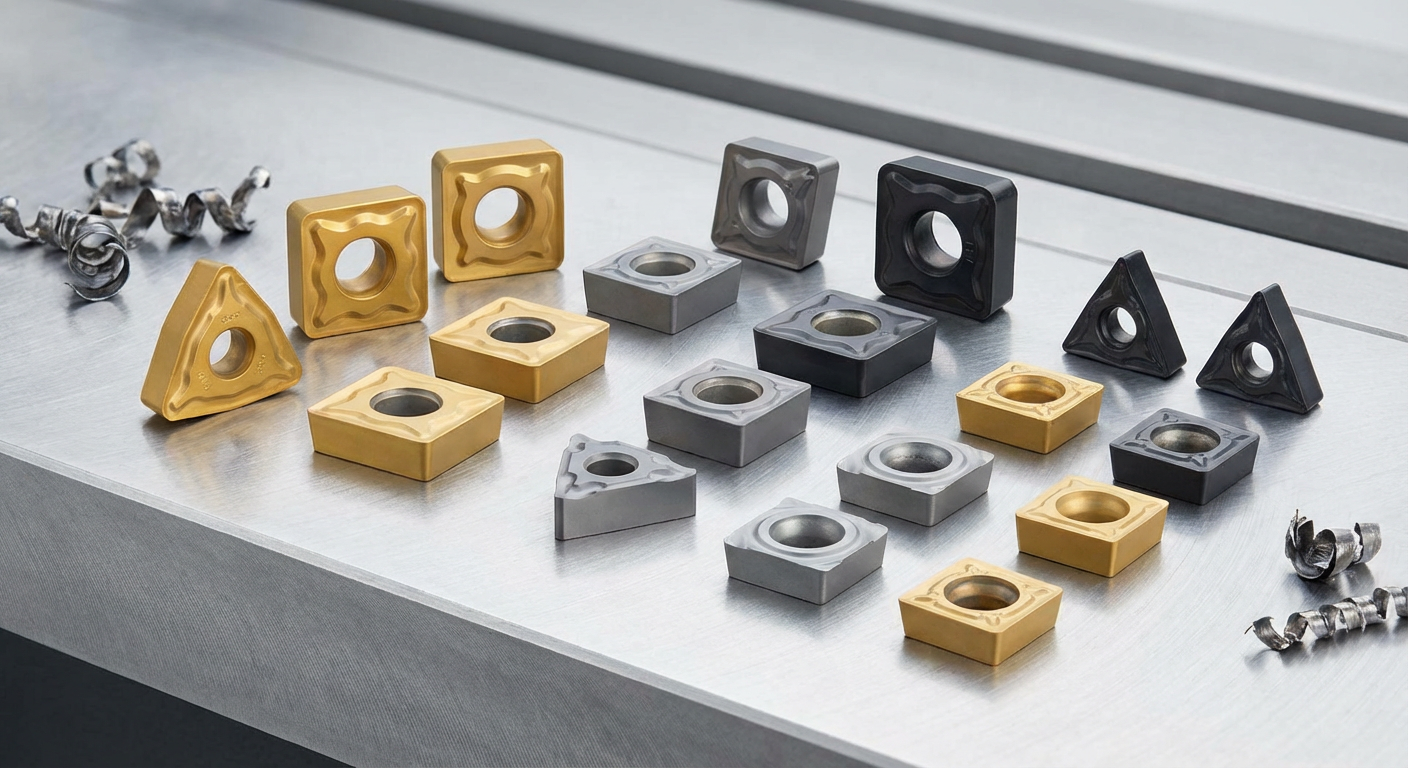
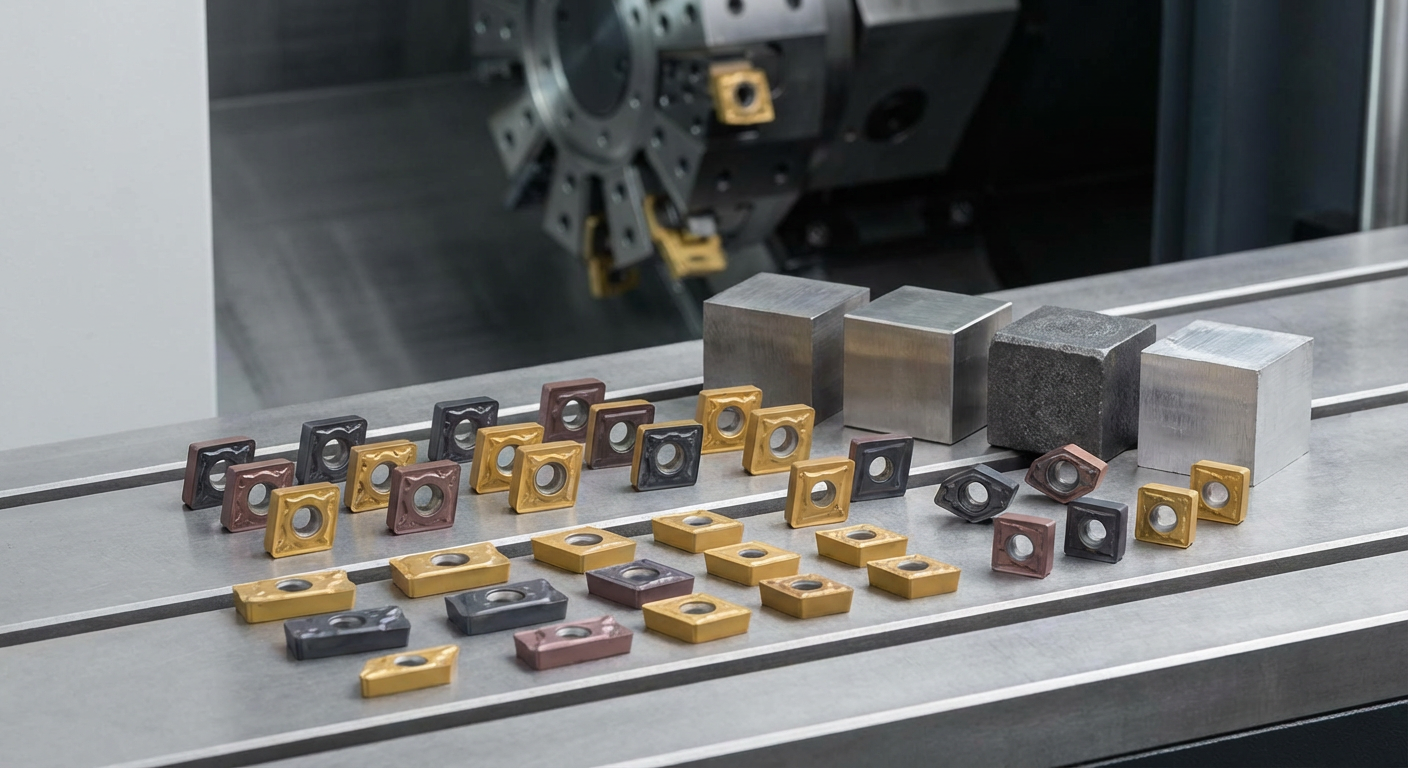
Indexable inserts are replaceable cutting tips used in turning and milling tools. They are commonly made from carbide and allow operators to replace worn edges without changing the entire tool.
Taps
Taps are tools used to create internal threads in drilled holes. They are commonly used in manufacturing processes that require threaded fasteners.
Cutting Tool Materials
The performance and durability of a cutting tool largely depend on its material composition.
- High Speed Steel (HSS) - Suitable for general machining and moderate cutting speeds.
- Carbide Tools - Harder and more heat resistant than HSS, making them ideal for high-speed CNC machining.
- Coated Tools - Coatings such as TiN or TiAlN improve wear resistance, reduce friction, and extend tool life.
Importance of Cutting Tools in Manufacturing
Cutting tools directly influence production efficiency and machining quality. Selecting the correct tool helps manufacturers:
- Improve machining precision
- Increase production efficiency
- Extend tool life
- Reduce machining downtime
- Maintain consistent product quality
In modern manufacturing environments, cutting tools are essential components that determine productivity, cost efficiency, and machining stability.