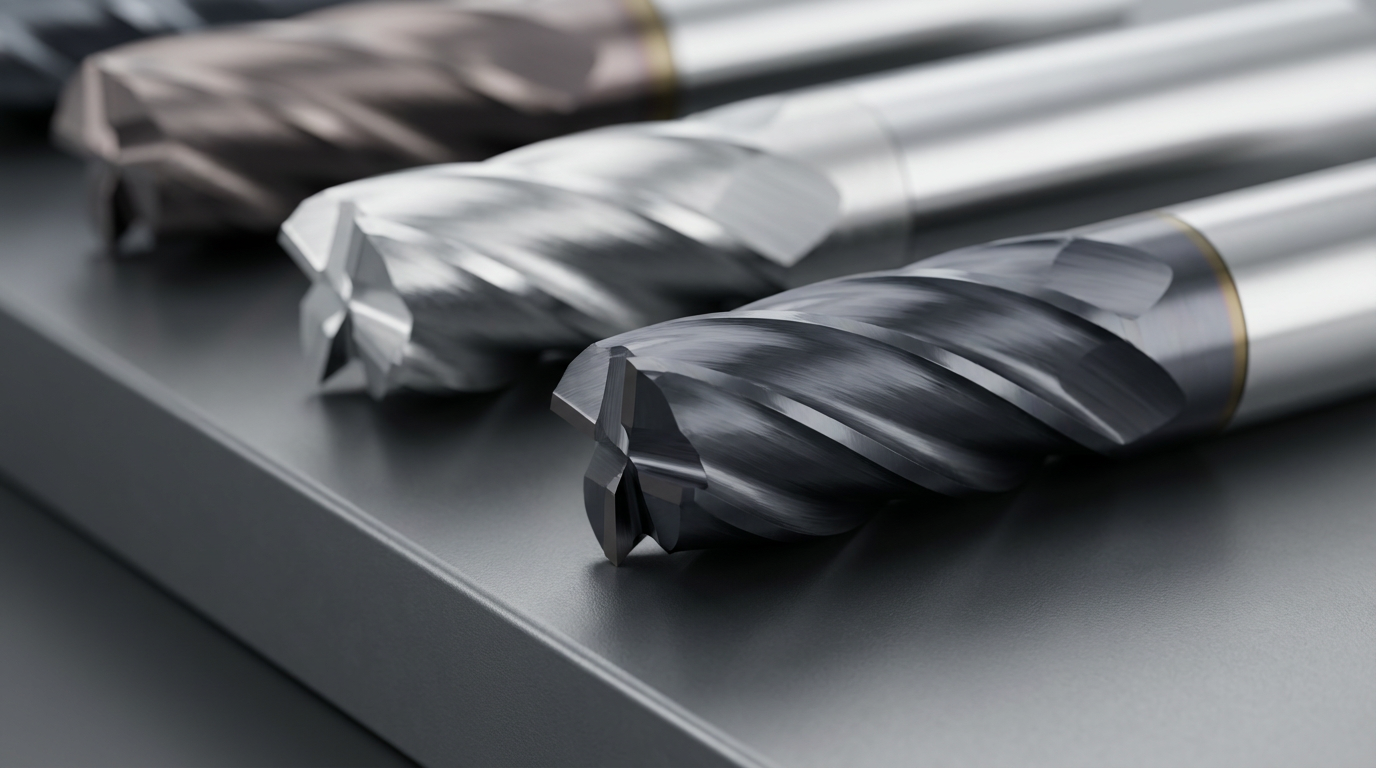
Why End Mill Selection Matters
End mill selection has a direct effect on machining stability, surface finish, tool life, and overall production efficiency. Different workpiece materials generate heat, chips, and cutting resistance in different ways, so using the wrong tool geometry or coating can lead to premature wear, poor finish quality, or unstable cutting conditions.
In production machining, selecting an end mill should not be based on diameter alone. Material group, flute design, coating type, helix angle, rigidity of setup, coolant strategy, and target operation must all be considered together.
End Mills for Steel
Carbon steel and alloy steel are common machining materials in general manufacturing. These materials usually require an end mill that can handle moderate cutting loads while maintaining edge strength.
- Recommended flute count: 4 flutes or more for balanced strength and productivity
- Preferred coating: TiAlN, AlTiN, or other heat-resistant coatings
- Best use case: General slotting, profiling, side milling, and semi-finishing
- Key consideration: Use stable tool holding and avoid excessive tool overhang
For steel applications, rigidity is often more important than aggressive chip evacuation. A strong core diameter and wear-resistant coating usually improve performance and help maintain predictable tool life.
End Mills for Stainless Steel
Stainless steel is more difficult to machine because it tends to generate heat, work harden, and create higher cutting pressure. Tool geometry must reduce friction while still maintaining edge strength.
- Recommended flute count: 4 flutes for general work, depending on chip load and slot depth
- Preferred coating: High-performance coatings with heat and wear resistance
- Best use case: Stable side milling, contouring, and controlled material removal
- Key consideration: Maintain proper feed to avoid rubbing and work hardening
When machining stainless steel, unstable cutting quickly damages the cutting edge. Proper feed rate, rigid setup, and controlled heat are essential. A tool that is too light or too sharp without enough support may chip or wear rapidly.
End Mills for Aluminum
Aluminum is softer than steel, but it requires a different tool design because chip evacuation is critical. If chips are not cleared efficiently, built-up edge and poor surface finish can occur.
- Recommended flute count: 2 to 3 flutes for better chip evacuation
- Preferred coating: Uncoated, polished, or coatings designed for non-ferrous materials
- Best use case: High-speed machining, slotting, profiling, and finishing
- Key consideration: Use sharp edges and sufficient flute space for chip flow
For aluminum, the objective is usually smooth chip evacuation and reduced adhesion. A highly polished flute and sharp cutting edge often perform better than a general-purpose geometry designed for steel.
Key Factors to Compare Before Buying
- Workpiece material: Steel, stainless steel, and aluminum each require different priorities
- Operation type: Slotting, side milling, roughing, and finishing may need different geometries
- Machine rigidity: Less rigid machines often benefit from conservative tool selection
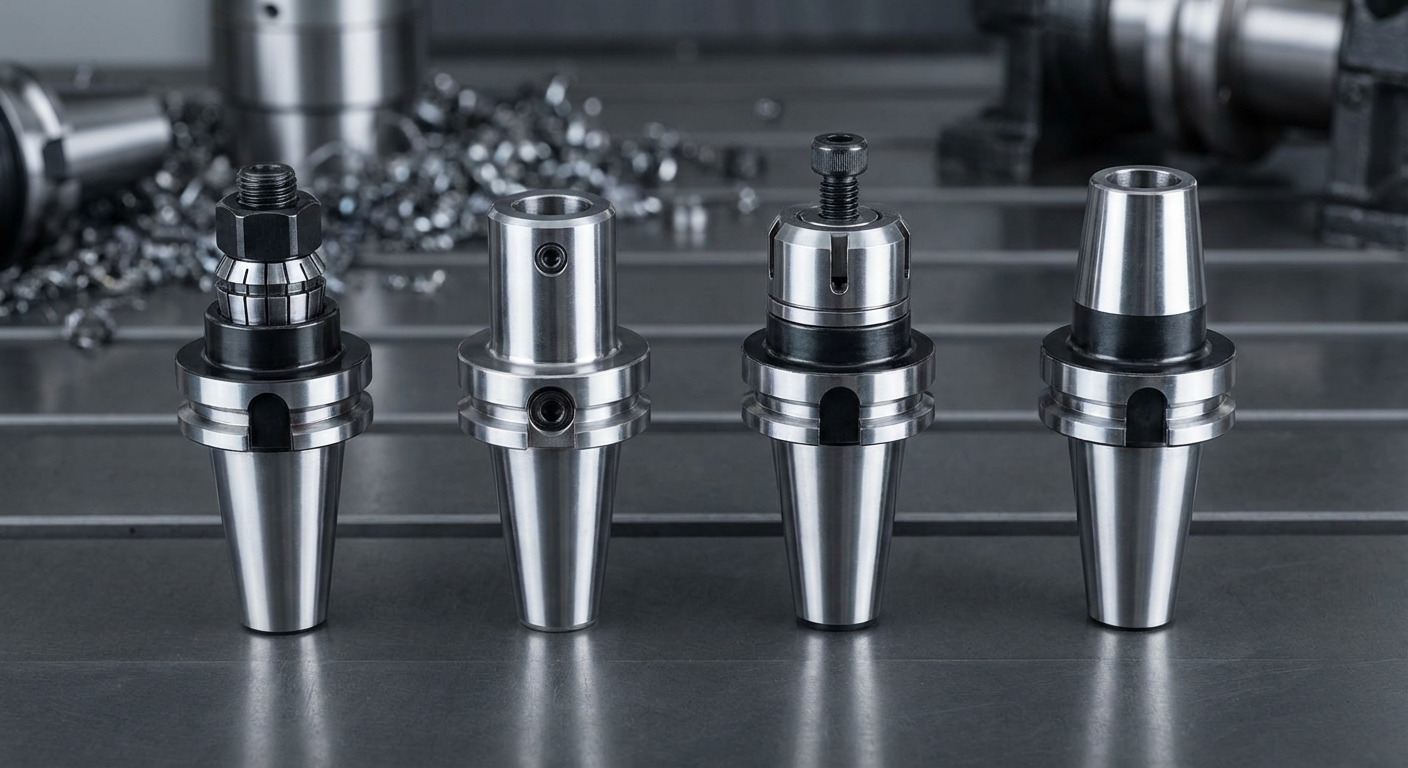
- Tool holder quality: Runout control affects finish, accuracy, and tool life
- Coolant strategy: Dry, mist, flood, or air blast changes cutting behavior
Practical Selection Advice
If the same shop machines multiple materials, it is often better to stock separate tool ranges instead of forcing one general-purpose end mill into every application. This improves consistency and usually reduces unexpected downtime caused by tool failure or unstable machining.
For procurement teams, the best approach is to review the most common materials, sizes, and operations used in production, then standardize a practical range of end mills that balances performance, availability, and cost control.
Conclusion
Choosing the right end mill means matching the tool to the actual machining condition. Steel requires strength and heat resistance, stainless steel needs stability and controlled cutting, and aluminum demands sharp geometry with effective chip evacuation. Proper selection helps improve productivity, surface quality, and tool life across daily operations.